Hundertwasser Art Centre
The Hundertwasser Art Centre with Wairau Māori Art Gallery
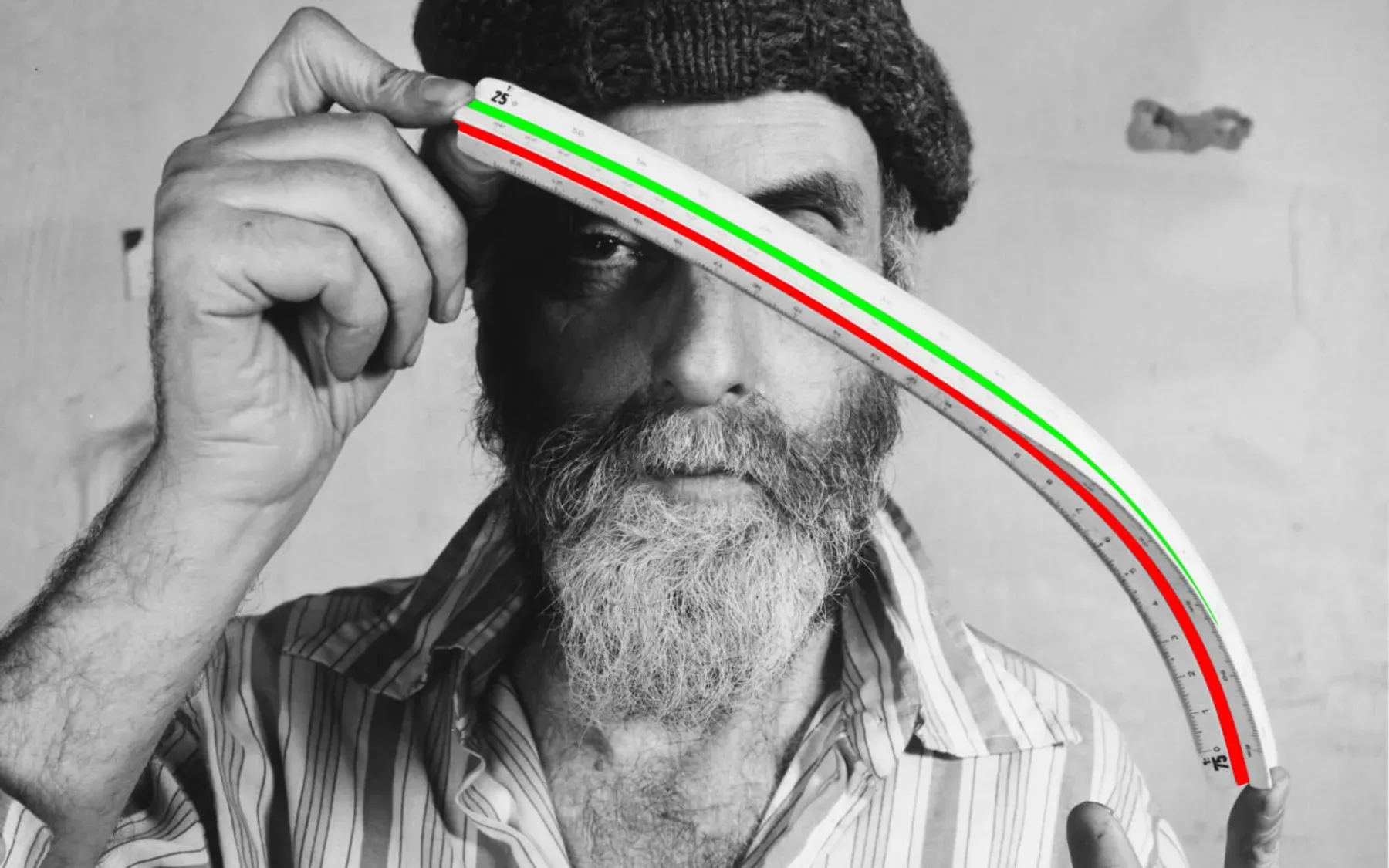
The Hundertwasser Art Centre with Wairau Māori Art Gallery celebrates painter, architect, ecologist and visionary Friedensreich Hundertwasser and contemporary Māori artists. The Centre is one of just over 40 authentic Hundertwasser architectural projects, the last to be built in the world and housing the largest collection of Hundertwasser artworks outside of Vienna. Our location at the scenic Town Basin in Whangārei was chosen by Hundertwasser due to its beauty, cultural significance and proximity to water.
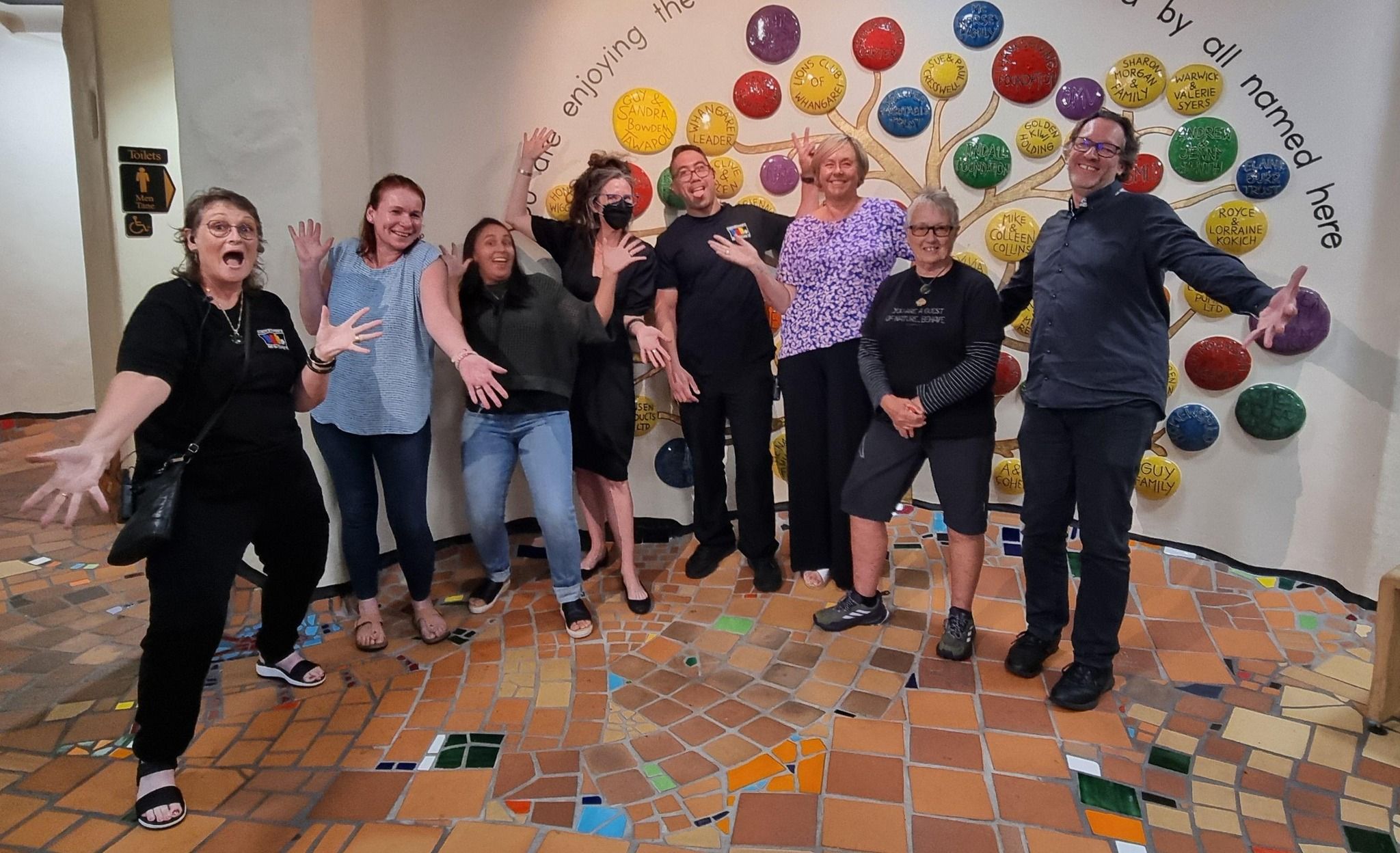
The Hundertwasser Art Centre with Wairau Māori Art Gallery opened in February 2022 and has since attracted over 200,000 visitors. It was almost 30 years in the making and became a project driven by volunteers who rallied the country to fundraise to ensure its completion. It has a base of loyal supporters who donated their money, time and resources.
The Whangārei Art Trust looks after the Hundertwasser Art Centre and the Whangārei Art Museum. We are a Council Controlled Organisation to the Whangārei District Council. The Whangārei Art Trust works in close collaboration with the Hundertwasser Non-Profit Foundation in Vienna. There is a cooperation agreement in place to ensure Hundertwasser’s authenticity and legacy are respected. We also work closely together with our Māori partners, the Wairau Māori Art Gallery Charitable Trust Board and Te Parawhau, the local hapū who have supported the project from its inception.
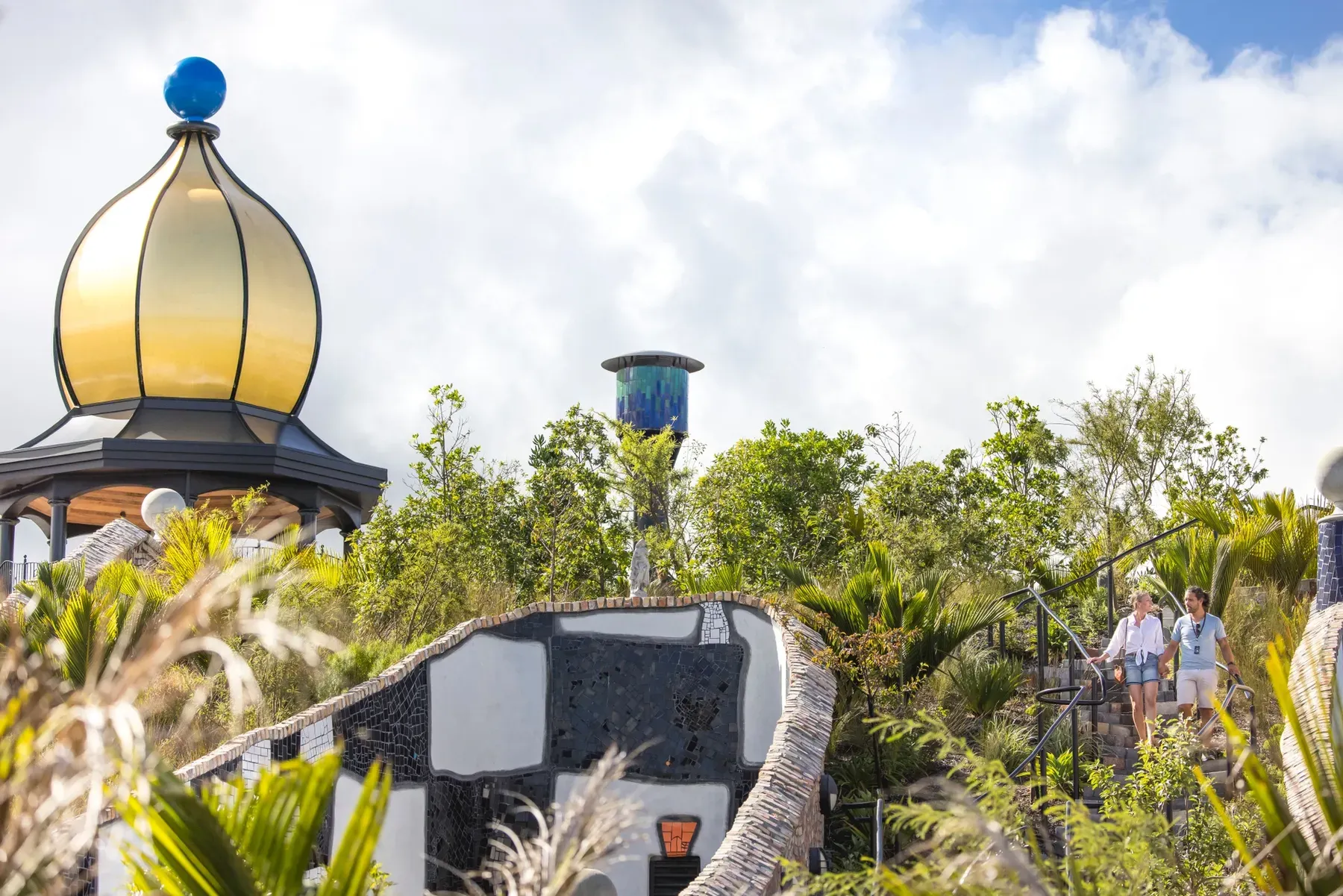
Visitors can enjoy two exhibition spaces: the Hundertwasser in New Zealand 1973-2000 exhibition which includes original paintings, graphic art, tapestries, examples of ecological work and architectural models from Hundertwasser; and the Wairau Māori Art Gallery, the world’s first dedicated Māori public art gallery which features changing exhibitions of Toi Iho-certified Māori artists. On top of the building is the award-winning Afforested Roof and the golden cupola which visitors can climb to gain sweeping views of the Hātea River and the Whangārei cityscape.
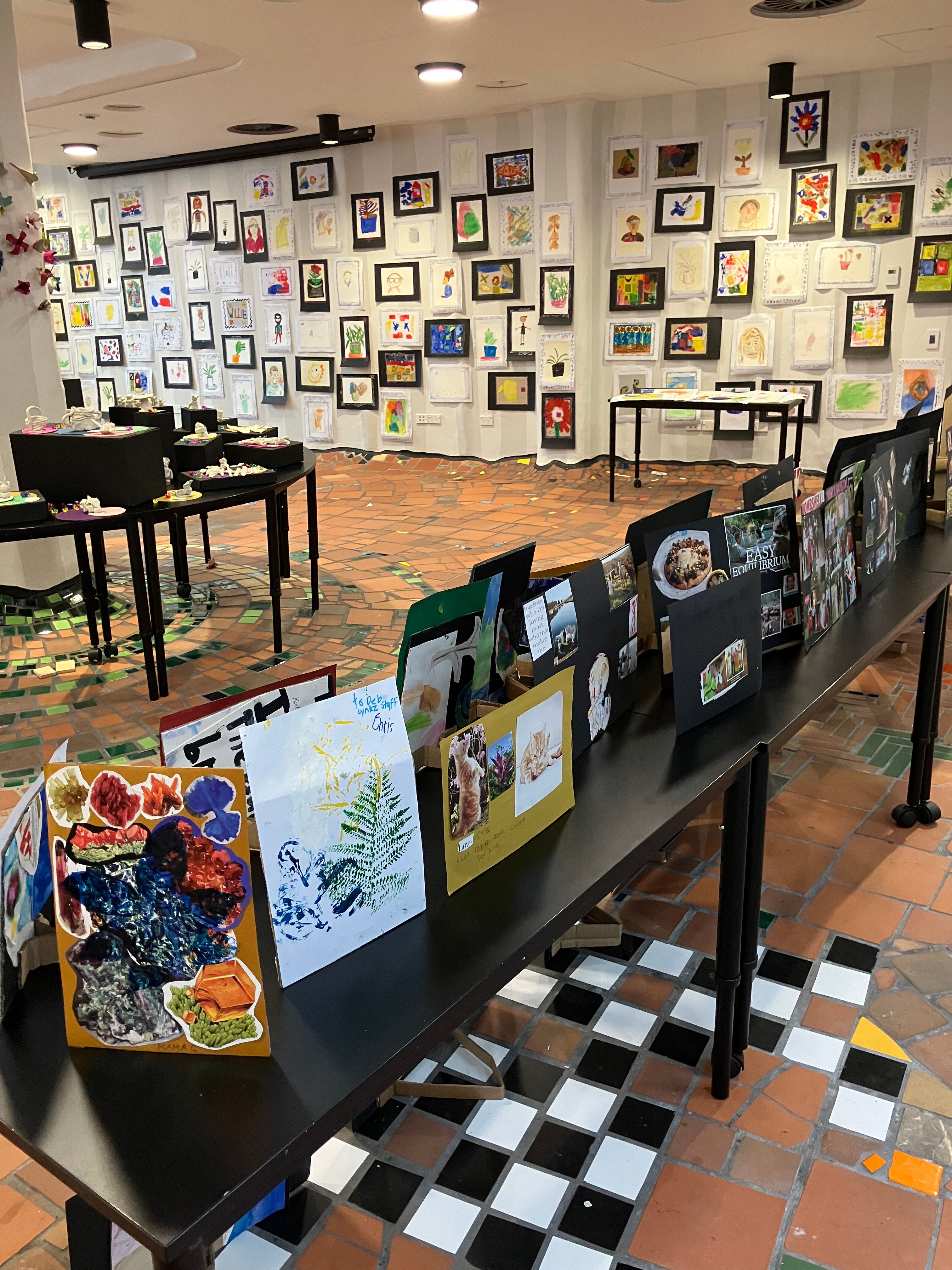
Inside the building there is also an Activity Centre where a versatile and varied programme for adults, groups and schools is offered and events are held, and a small theatre where films about Hundertwasser are screened. The MuseumShop, which has exclusive and unique Hundertwasser applied art and Māori books and jewellery and a carefully curated selection of gift items, completes the experience.
Visitors can self-guide or take a guided tour which tells the story of Hundertwasser, his legacy of a life lived in harmony with nature and his connection to New Zealand. We also have an audio guide available which guests can take home after their visit. The Hundertwasser Art Centre with Wairau Māori Art Gallery is more than a museum, it is a multi-faceted immersive experience that includes art, architecture and ecology.